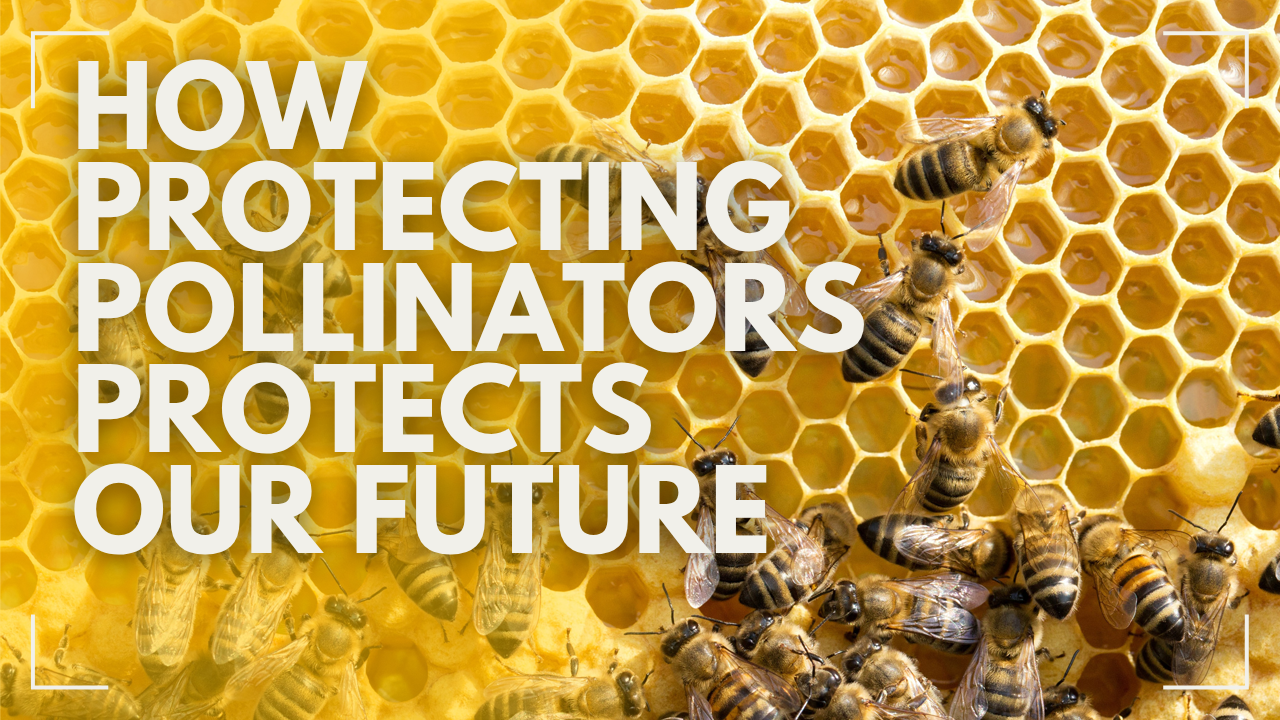
The Buzz Is Real: How Protecting Pollinators Protects Our Future
We spend so much time hunting for the next superfood or the latest supplement, hoping for a magic fix. But what if the true key to a thriving future isn't hidden in a lab or a bottle? What if it's buzzing right outside our windows?
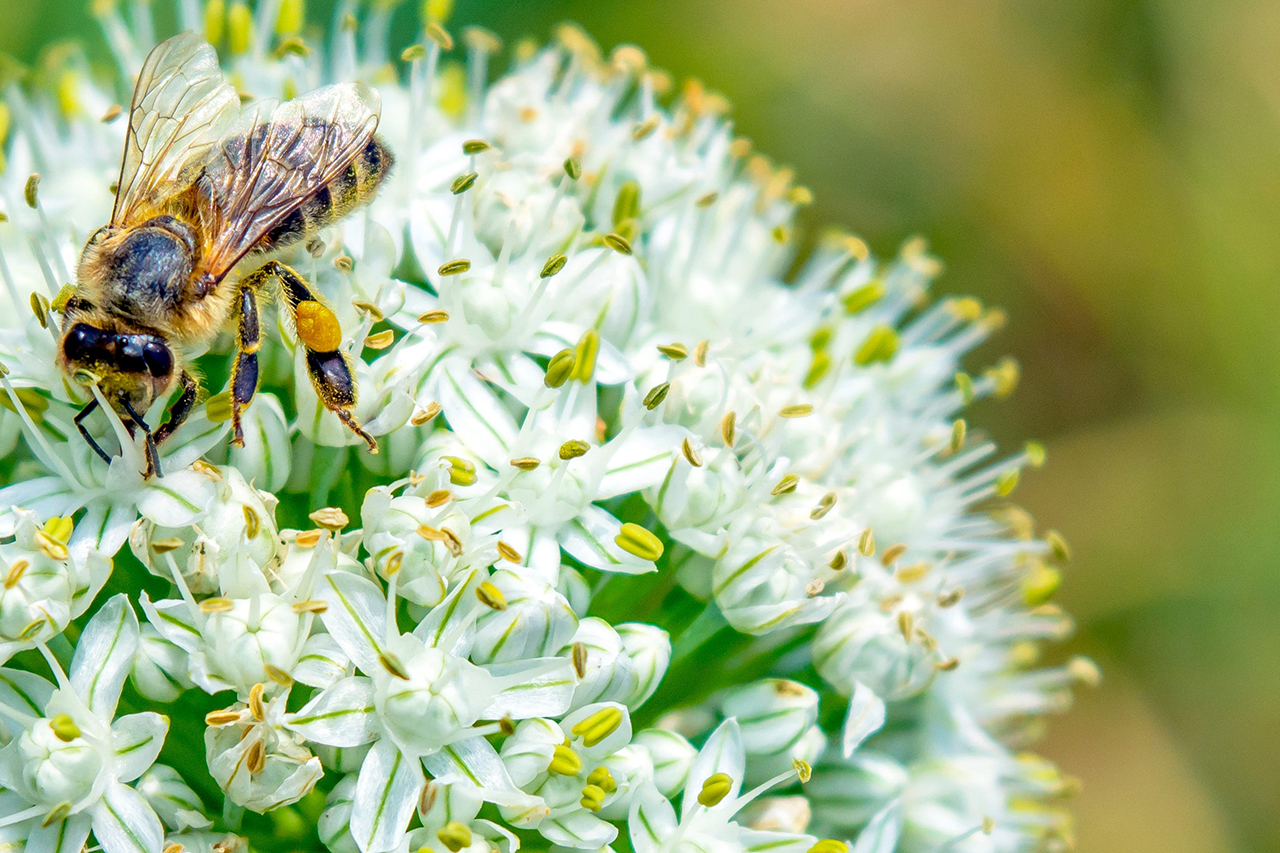
Bees are the unsung heroes of our food system, the invisible architects of our health and our world. And the moment we realize that their survival is inextricably linked to ours, everything shifts.
"If the bee disappeared off the surface of the globe, then man would have only four years of life left. No more bees, no more pollination, no more plants, no more animals, no more man."
― Albert Einstein
Protecting these tiny, tireless workers isn't just an act of kindness toward nature; it's the smartest investment we can make in our own future.
We talk a lot about metabolic health, gut flora, and the toxins in our food on the blog and podcast, but there's a silent crisis happening right under our noses that threatens to unravel everything we're trying to fix.
The bees are dying.
- Honey Bees: From 2024–2025, 55.6% of managed colonies were lost—the highest on record for the second year in a row.
- Native Bees: 1 in 4 species of North America’s 4,000+ native bee species are at risk of extinction.
- Bumblebees: American bumblebee population has declined by over 90% since the year 2000. 4 of the 5 bumblebee species are now classified as endangered.
- Other Pollinators: Western Monarch Butterflies have declined by 99.9% since the 1980s, dropping from an estimated 10 million to fewer than 2,000 in 2020. And the Eastern Monarch Butterflies have declined by over 80% in the past two decades.
When the bees go, the food supply goes with them.
It's not just about honey. It's about the apples, macadamia nuts, chocolate, blueberries, coffee, and the vast majority of the crops that keep us alive and thriving.
Without pollinators, our plates look a whole lot emptier and our health takes a nosedive, leaving our future hanging by a thread.
This isn't just a tragedy; it's a wake-up call.
We've been told that industrial agriculture, neonics (those nasty pesticides), and habitat loss are the culprits. And guess what? They are. But we've also been told that we are powerless against big ag. That's a lie.
The power is in the choices we make every single day.
Why We're Launching the "Save the Bees" Initiative
At WildRx, we believe that true wellness starts with a healthy ecosystem. You can't have a healthy human population on a dead planet. So, we're doing something about it.
We've launched a dedicated hub to help you understand the crisis and, more importantly, take action.
On this page, we're breaking down:
- The Science: What's actually killing the colonies (and what we can do about it)
- The Solutions: From sharing flyers with your community to avoiding toxic pesticides in your own backyard.
- The Community: How we're building a movement of people who care more about the future than the bottom line.
It's not just about the bees; it's about us rising together.
Spread the Word with Our Free Doorhangers & Flyers
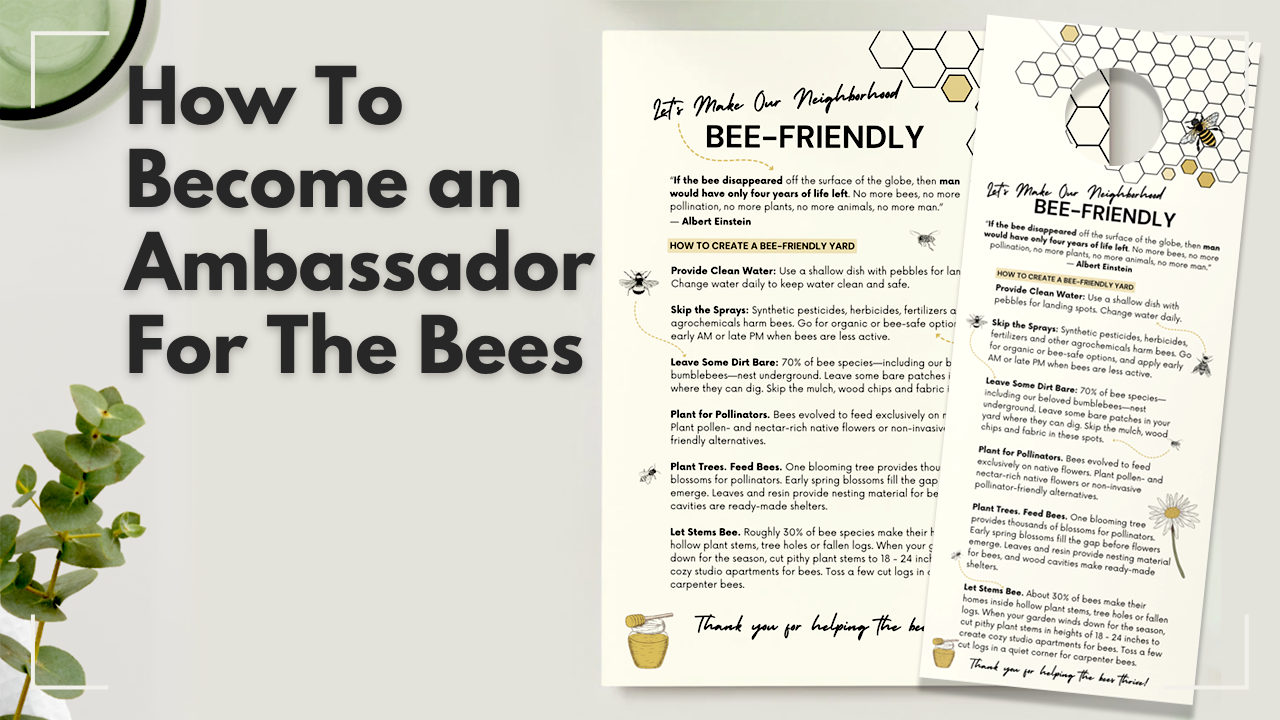
Join our race to protect 1,000 neighborhoods by July 1st by becoming a local ambassador for the bees.
How to Become a Local Ambassador for the Bees:
- Go to wildrx.com/bees.
- Download our free, ready-to-print doorhangers and/or flyers
- Share them with your neighborhood and community.
It's Not Too Late (But We Need to Move Fast)
The situation is dire, but it's not hopeless. Nature is incredibly resilient if we give it a fighting chance.
Every flower you plant, every pesticide you refuse to buy, and every voice you raise adds up. We aren't just saving insects; we're securing the future of our food, our health, and our world for future generations.
So, do me a favor. Click the link. Read the info, and share with your neighbors.
It’s time to restore the rhythm of nature. Let’s plant the seeds of change today and watch a healthier, more vibrant world bloom tomorrow.