
"If the bee disappeared off the surface of the globe, then man would have only four years of life left. No more bees, no more pollination, no more plants, no more animals, no more man."
― Albert Einstein
Bees Are Disappearing
Here's What We're Losing
- Honey Bees: From 2024–2025, 55.6% of managed colonies were lost—the highest on record for the second year in a row.
- Native Bees: 1 in 4 species of North America’s 4,000+ native bee species are at risk of extinction.
- Bumblebees: American bumblebee population has declined by over 90% since the year 2000. 4 of the 5 bumblebee species are now classified as endangered.
- Other Pollinators: Western Monarch Butterflies have declined by 99.9% since the 1980s, dropping from an estimated 10 million to fewer than 2,000 in 2020. And the Eastern Monarch Butterflies have declined by over 80% in the past two decades.
"bees are the batteries of orchards, gardens, guard them."
― Carol Ann Duffy
YOUR NEIGHBORHOOD CAN LEAD THE WAY
Get Our Free Doorhangers and Flyers
Knowledge is power, but action creates change. Download our free, ready-to-print doorhangers and flyers to kickstart the conversation with your neighbors.
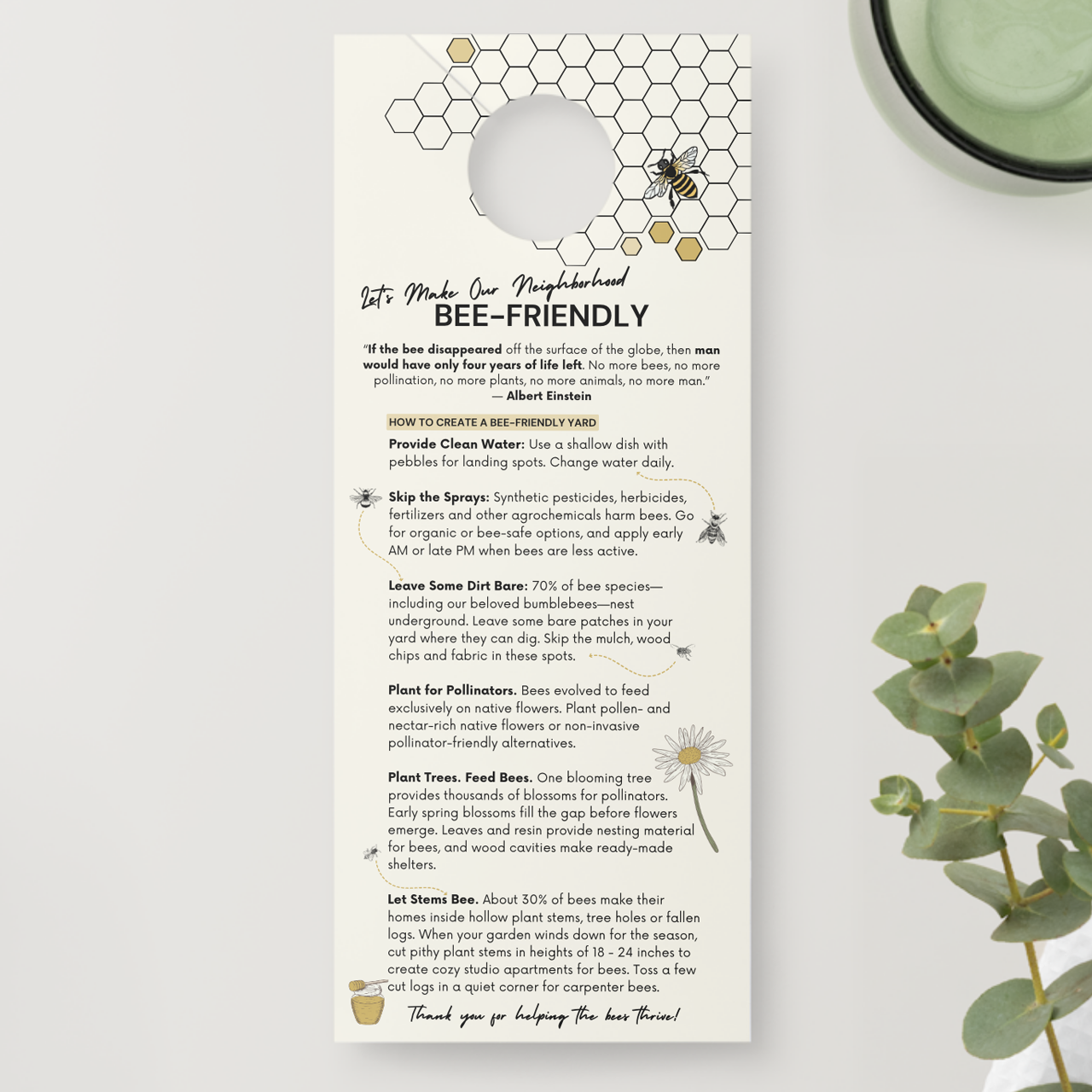
Free Doorhangers
- Click the button below to download.
- Print at home, your local print shop, or online with a service like Canva, vistaprint, or GotPrint.
- Hand them out in your neighborhood.
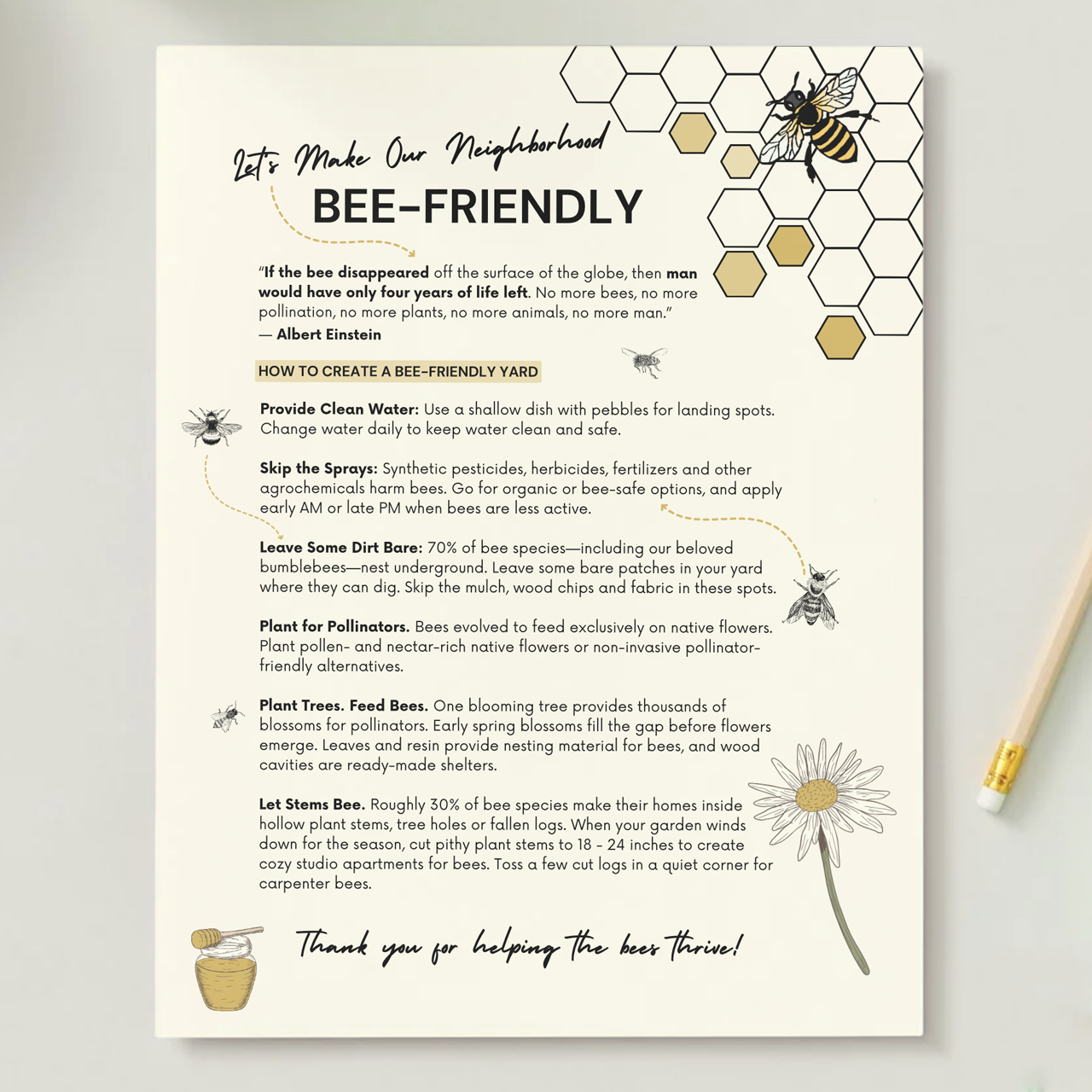
Free Flyers
- Click the button below to download.
- Print at home, your local print shop, or online with a service like Canva, vistaprint, or GotPrint.
- Hand them out in your neighborhood and share with schools, HOAs, and community groups.
"The hum of bees is the voice of the garden."
― Elizabeth Lawrence
How To Create A Bee-Friendly Yard
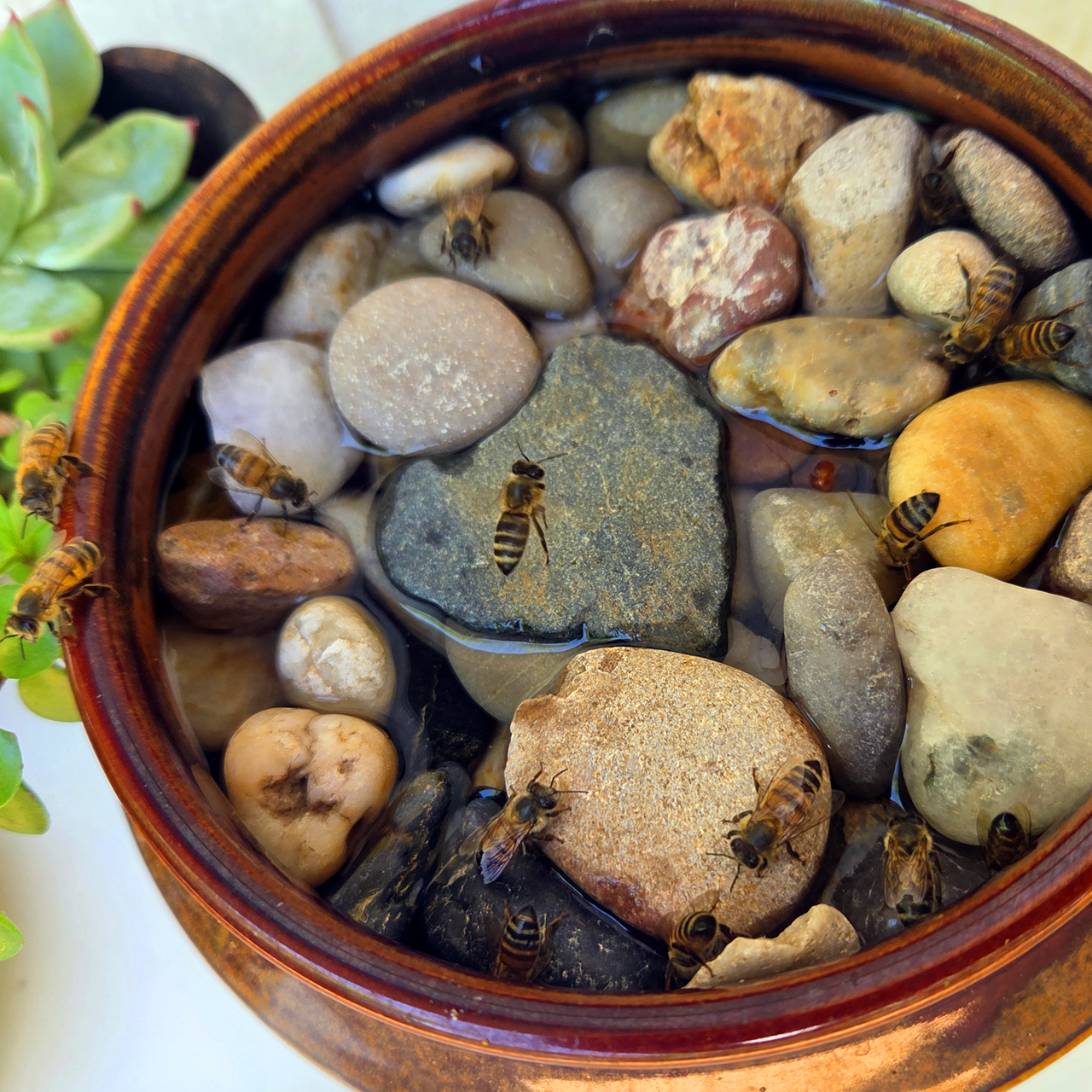
Hydration Station
Bees get thirsty too. Here's how to set up a bee-friendly drinking station:
- Use a shallow dish and add pebbles for landing spots
- Replace water daily to prevent algae and bacteria
Skip the Sprays
Synthetic pesticides, herbicides, fertilizers and other agrochemicals harm bees.
- Choose: Organic or bee-safe options
- Time it: Early AM or late PM when bees are less active
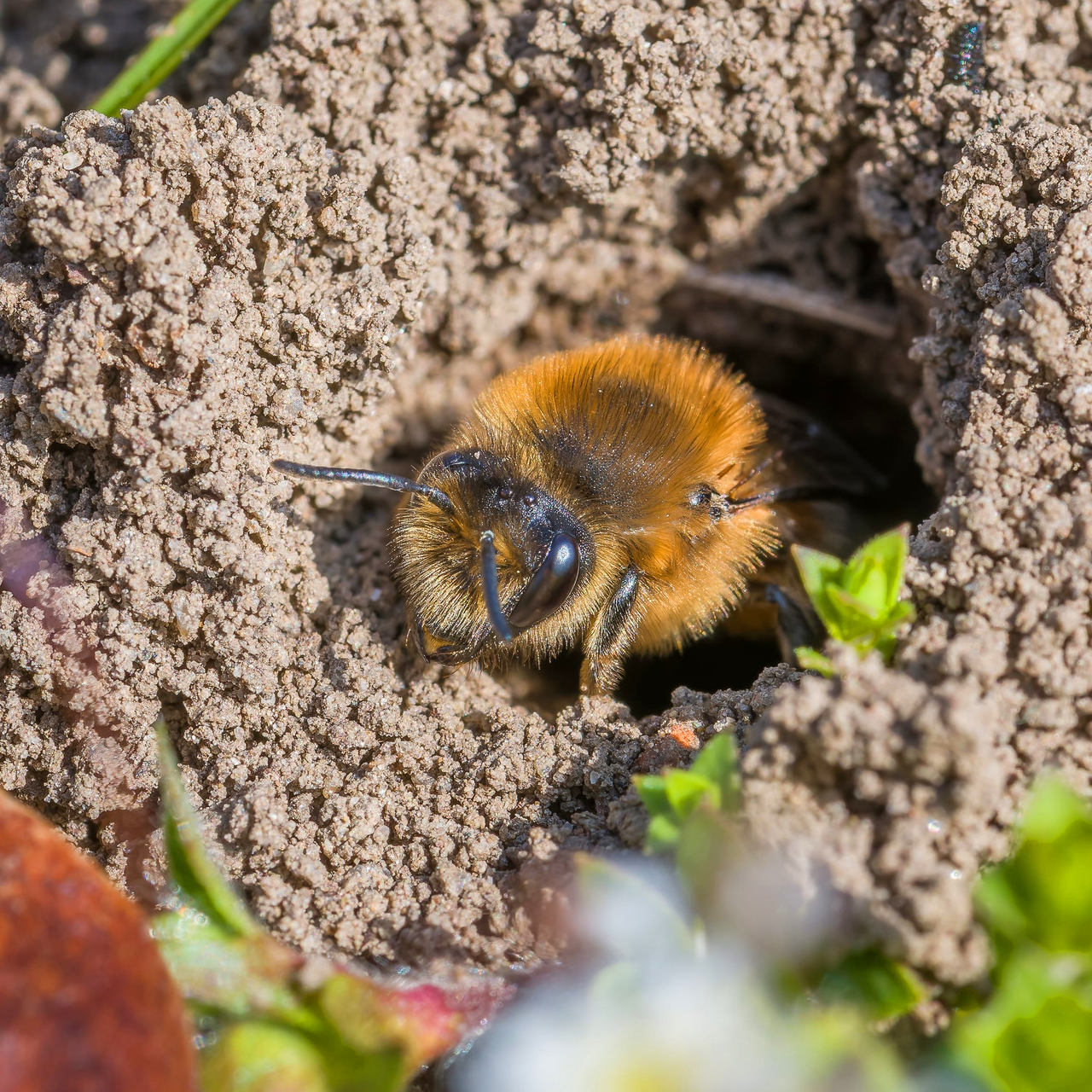
Leave Some Dirt Bare
70% of bee species—including our beloved bumblebees—nest underground. They're tunnel dwellers who need direct access to the soil. To help them out:
- Leave some bare patches in your yard where they can dig. Skip the mulch, wood chips, or landscape fabric in those spots
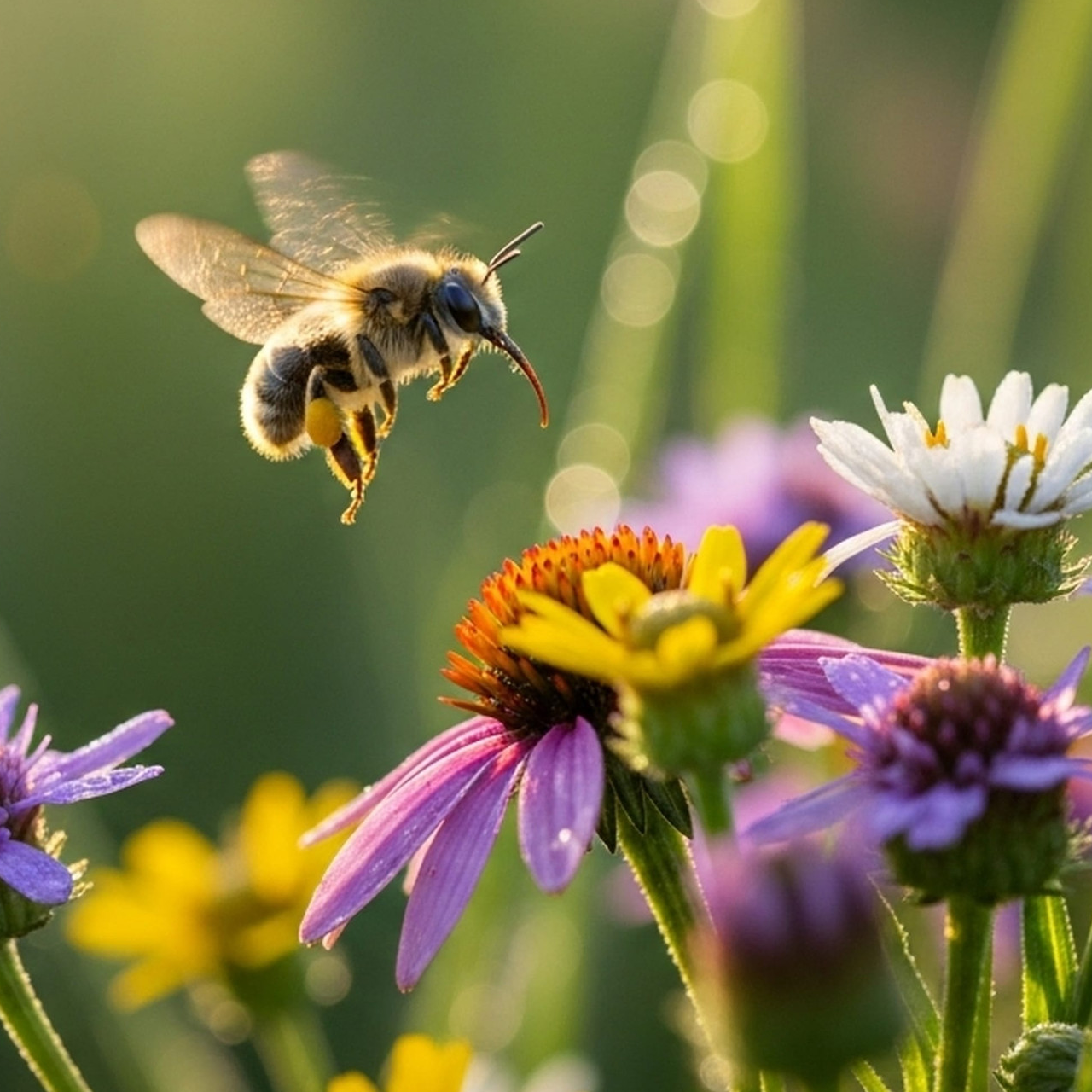
Plant for Pollinators
Bees evolved to feed exclusively on native flowers.
- Plant pollen- and nectar-rich native flowers or non-invasive pollinator-friendly alternatives
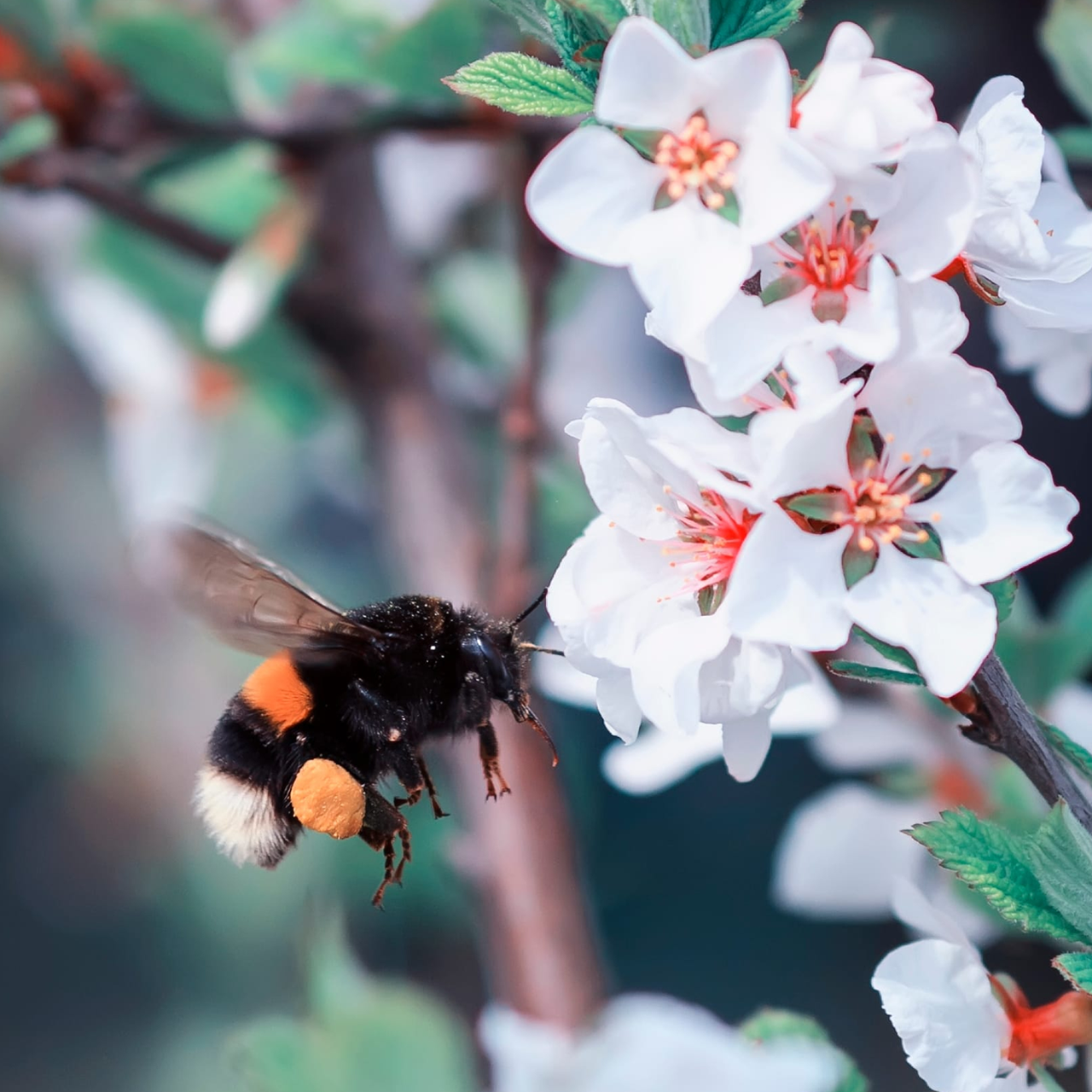
Plant Trees. Feed Bees.
Your yard can be a bee sanctuary with the right trees. Here's why:
- One blooming tree provides thousands of blossoms for pollinators
- Early spring blooms fill the gap before flowers emerge
- Leaves and resin provide nesting materials
- Wood cavities are ready-made shelters
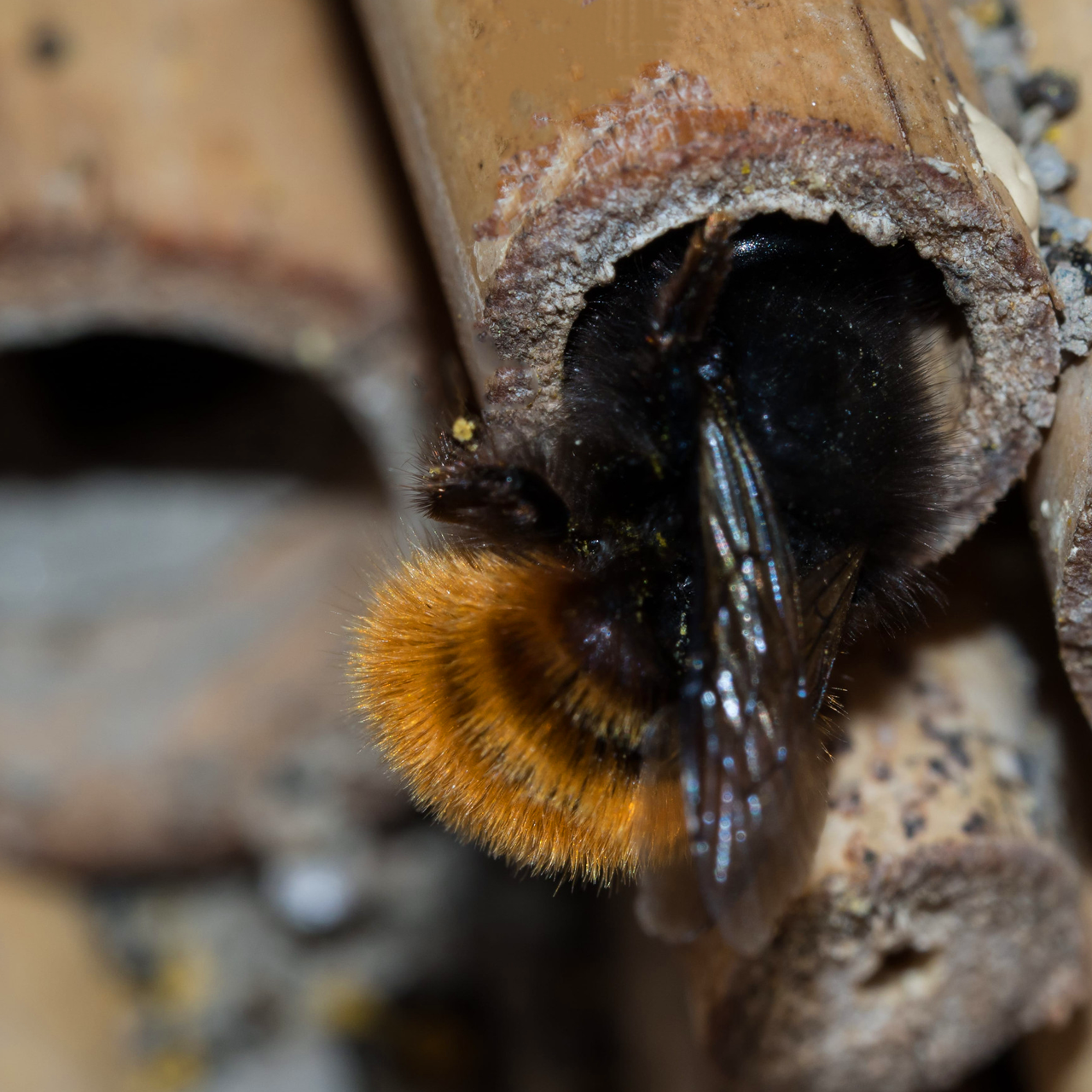
Let Stems Bee
Roughly 30% of bee species make their homes inside hollow plant stems, tree holes, or fallen logs.
- When your garden winds down for the season, cut pithy stems to 18–24 inches tall—they'll serve as cozy studio apartments for solitary bees.
- Leave cut logs in a quiet corner for carpenter bees.
Let's Reach 1,000 Neighborhoods by July 1st
Join our race to protect 1,000 neighborhoods by July 1st by becoming a local ambassador for the bees.
Grab our free printable materials, share them with your neighbors, and help us build a chain reaction of bee-friendly yards across the country. Every neighborhood you reach brings us one step closer to a safer future for pollinators.
Our Health vs. A Perfect Lawn
Glyphosate—the active ingredient in Roundup and hundreds of other herbicides—is not a harmless garden tool. It is a potent toxin that is poisoning our soil, our water, our food supply, and our families.
Despite decades of corporate disinformation campaigns funded by giants like Monsanto (now Bayer) to muddy the waters, the science is undeniable: Glyphosate is a carcinogen, an endocrine disruptor, and a primary driver of the global bee collapse.
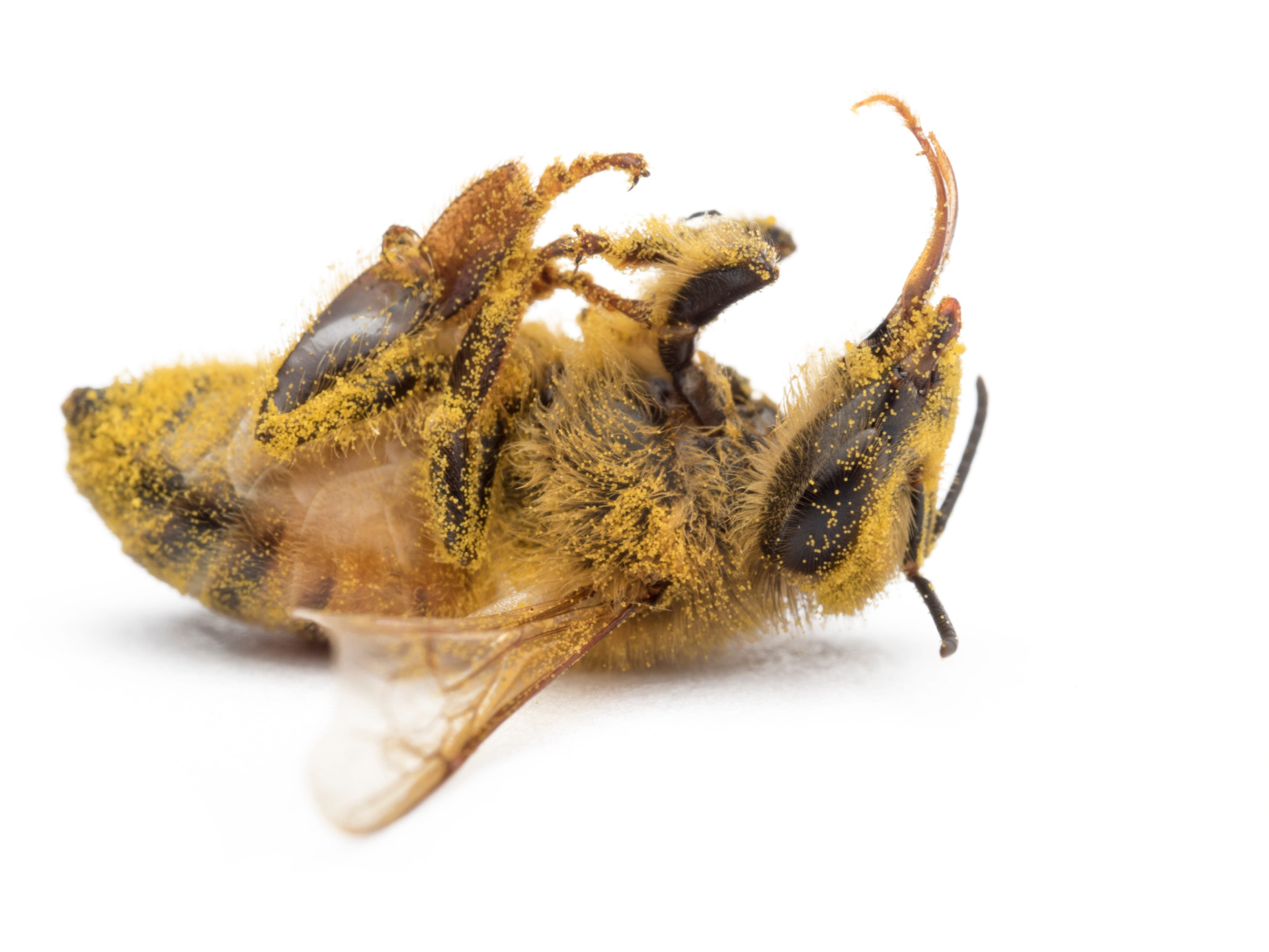
It's Not Just "Harming" Bees—It's Killing Them
The link between glyphosate and bee colony collapse is catastrophic. This chemical doesn't just weaken bee immune systems; it destroys the very foundation of their survival.
- Systemic Failure: Studies confirm that glyphosate exposure devastates bee gut microbiomes, leading to mass die-offs and the total collapse of colonies.
- Starvation: It wipes out the flowering weeds that are critical food sources for bees.
- The Result: We are watching a mass extinction event unfold in our own backyards, fueled by a chemical sold as "safe."
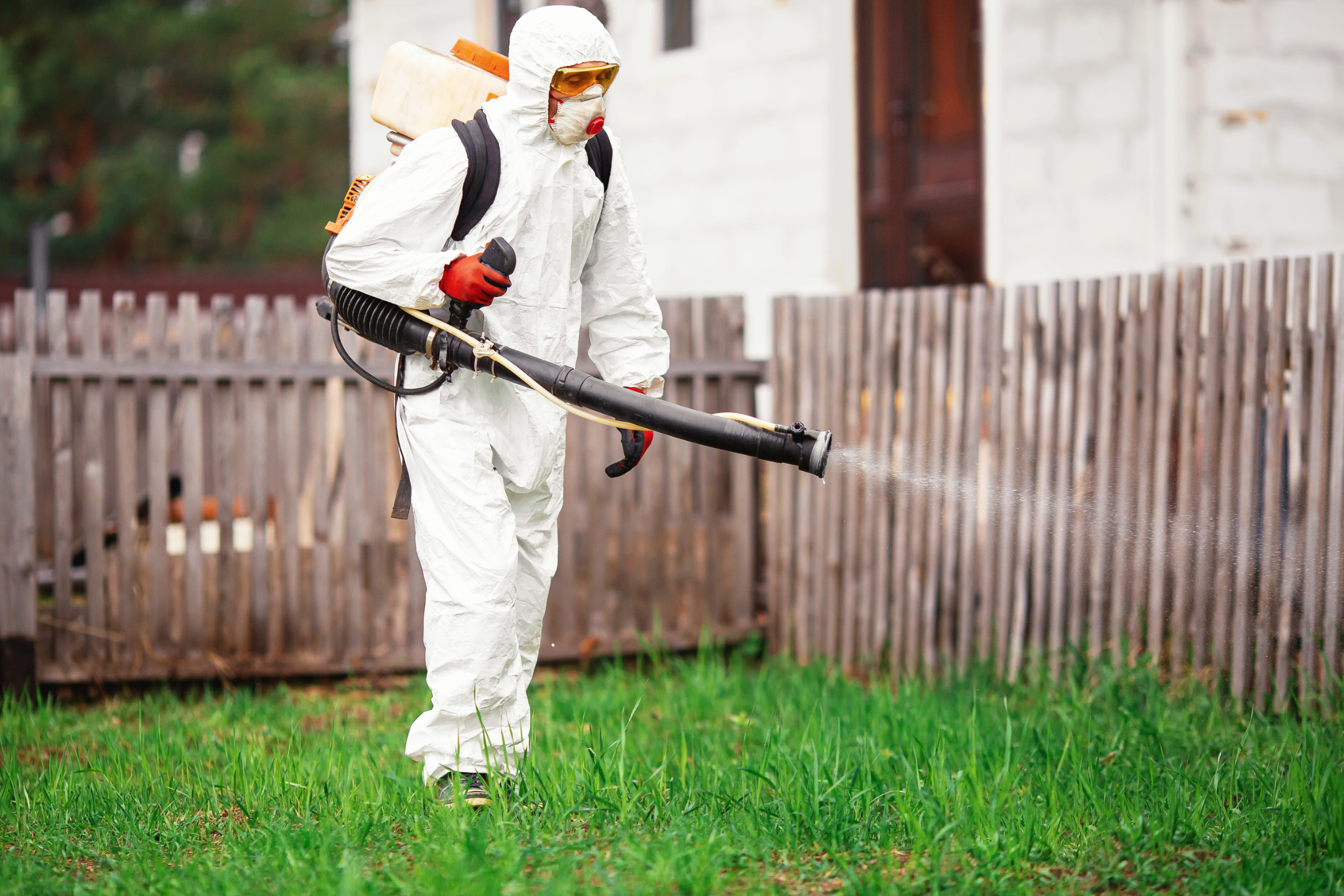
A Direct Threat to Your Family's Health
The claim that glyphosate is safe for human use is a lie perpetuated by corporate lobbying.
- Cancer: A landmark international study released in 2025 confirmed that glyphosate weed killers cause multiple types of cancer, including non-Hodgkin lymphoma.
- Developmental Damage: It is a known endocrine disruptor that interferes with hormones, posing severe risks to fetal development and the health of our children.
- Chronic Disease: Exposure is linked to liver disease, kidney failure, and immune system suppression.
- The Reality: Every time you spray your lawn, you are creating a toxic cloud that drifts into your home, your neighbor's yard, and the local water table.
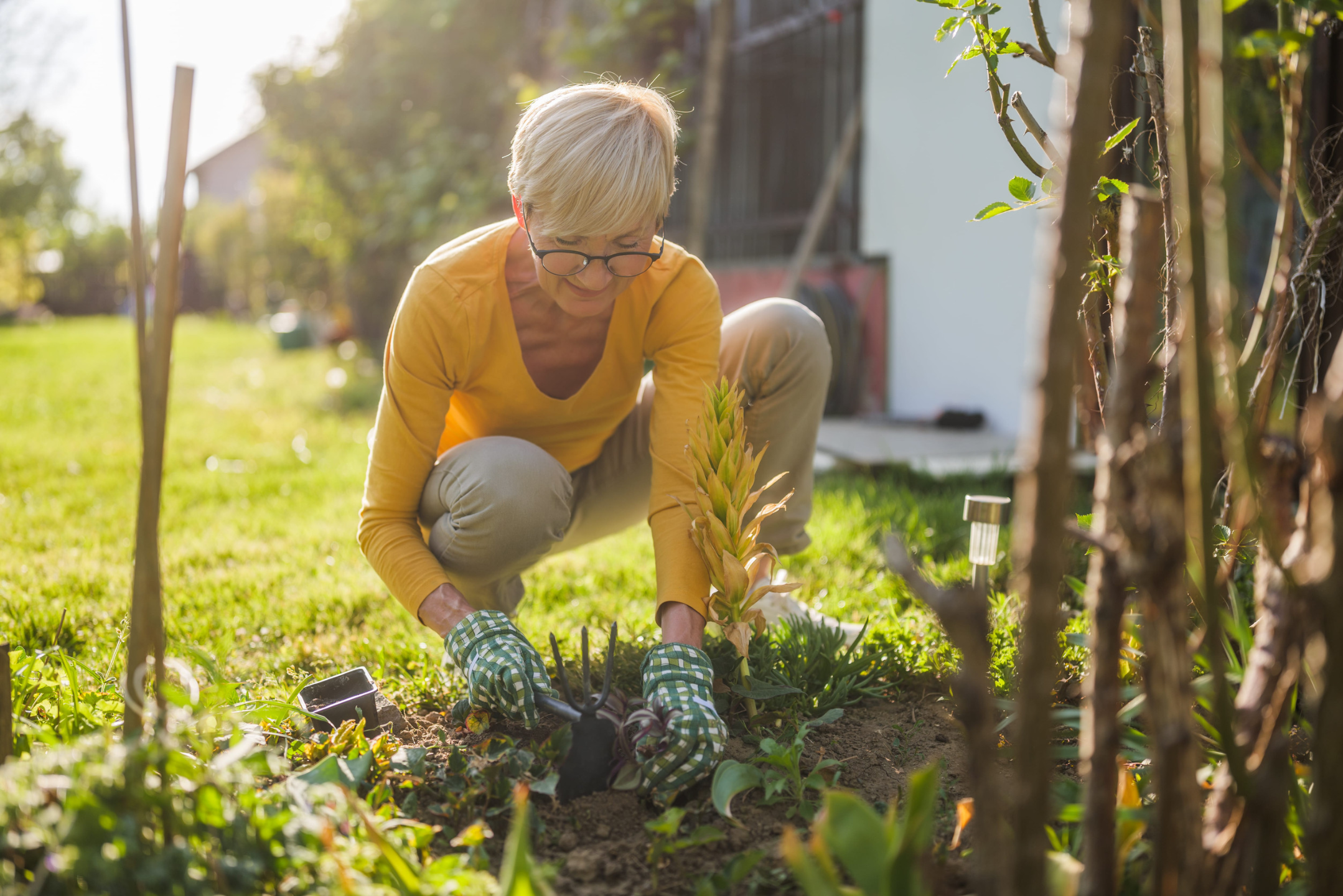
Stop the Poison. Save the Bees. Protect Our Children.
There is no "safe" level of exposure to a known carcinogen. Your lawn does not need poison to look green.
- Pull weeds by hand.
- Use vinegar or boiling water.
- Mulch to choke out weeds naturally.
- Say NO to Bayer and Monsanto products.
The choice is yours: Continue funding a chemical empire that is destroying our planet and our health, or take a stand today for a safe, chemical-free future.
Sources
Springer: Carcinogenic effects of Glyphosate
UC Berkeley: Childhood exposure to common herbicide may increase the risk of disease in young adulthood
USRTK : Glyphosate: Cancer, liver disease, endocrine disruption and other health concerns
The Guardian: ‘Disturbing’: weedkiller ingredient tied to cancer found in 80% of US urine samples
USRTK: Internal documents reveal pesticide industry science denial and manipulation: glyphosate case study
European Press Prize: Monsanto Papers
PubMed: Carcinogenic effects of long-term exposure from prenatal life to glyphosate and glyphosate-based herbicides
ScienceDirect: Glyphosate-based herbicide as a potential risk factor for breast cancer
Taylor&Francis: Glyphosate as risk factors for non-Hodgkin lymphoma
International Journal Epidemiology: Pesticide use and risk of non-Hodgkin lymphoid
ATSDR: Toxicological Profile for Glyphosate
Springer: Genotoxicity of glyphosate-based herbicides
EHN: New analysis raises questions about EPA’s classification on glyphosate weed killer
USRTK: Genotoxic properties of glyphosate
ScienceDirect: Glyphosate-based herbicides linked to metabolic dysfunction
Springer: Glyphosate‑based Herbicides: Implications on Fertility
The Guardian: Glyphosate presence in human sperm
ScienceDirect: High levels of weedkiller found in more than half of sperm samples, study finds
PubMed: The Monsanto Papers: Poisoning the scientific well
ScienceDirect: Glyphosate-based herbicide on the hypothalamic-pituitary thyroid axis
ScienceDaily: Common weed killer linked to bee deaths
SierraClub: New Study Shows Roundup Kills Bees
PlantGrowerWorld: Glyphosates Devastating Impact on Bees: A Growing Concern
BeeKeeperCorner: Glyphosates Hidden Threat to Bees and Ecosystems Uncovered
Auburn University - College of Agriculture: U.S. Beekeeping Survey reveals highest honey bee colony losses
Center for Biological Diversity: Pollinators in Peril, Native Bees
Environment America: The American bumblebee is on the decline
Smithsonian Magazine: The American Bumblebee Has Nearly Vanished From Eight States
Science Insights: Why Are Monarch Butterflies Endangered: Key Threats
National Center for Biotechnology Information: Monarch butterfly population decline in North America: identifying the threatening processes
SMALL CHOICES. BIG RIPPLE EFFECT.
What Else Can I Do?
Your garden is just the beginning. Here are more ways to protect bees beyond your backyard:
Engage Your Community
- Share this page with 3 friends
- Start a neighborhood bee initiative
- Host a pollinator workshop
- Create a pollinator corridor
- Encourage local businesses to go pesticide-free
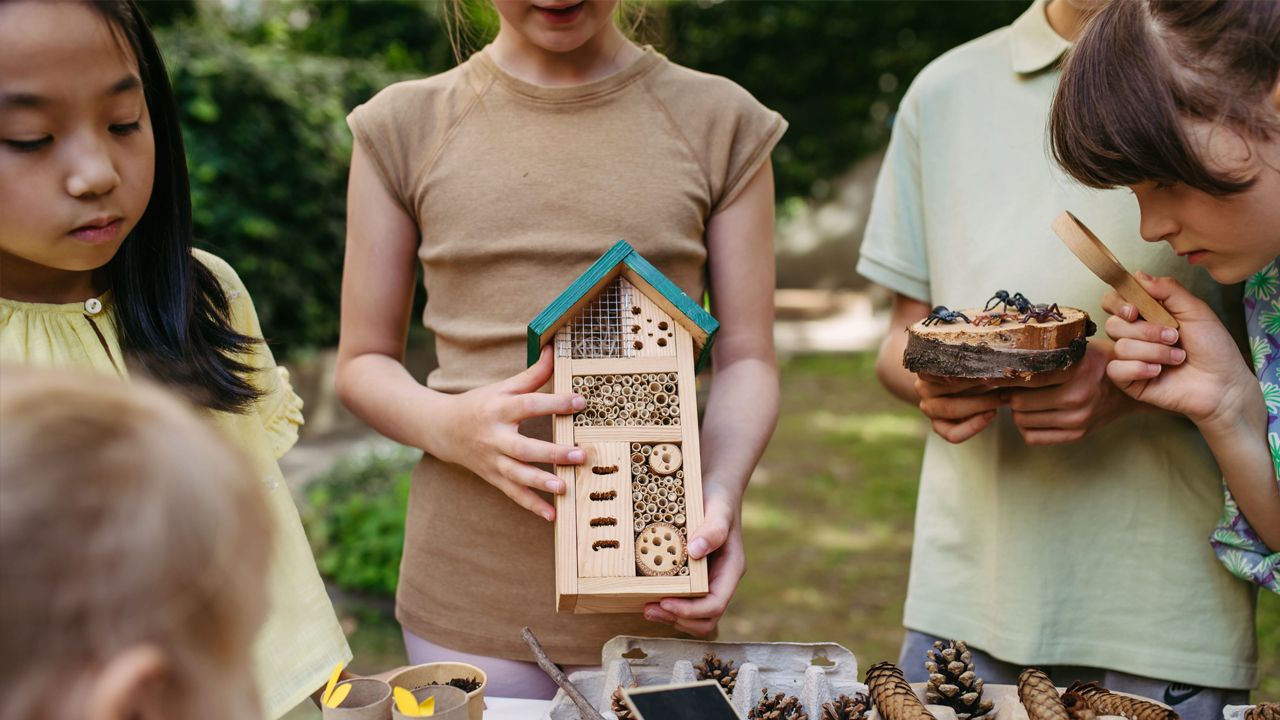
Vote With Your Wallet
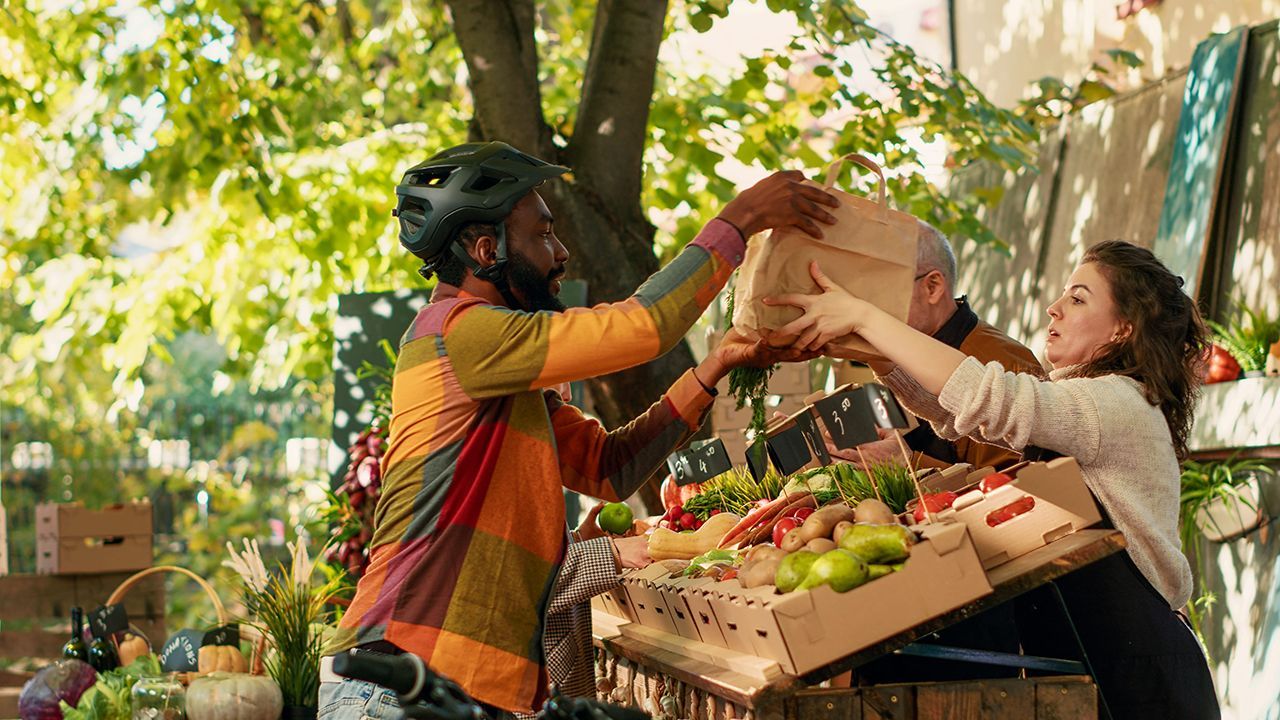
Buy organic produce whenever possible—or better yet, shop at your local farmers market. Every purchase signals to chemical companies whether their practices are acceptable. Supporting local organic farmers strengthens the demand for bee-safe agriculture.
- Buy organic produce
- Shop local farmers markets
Boycott Harmful Corporations
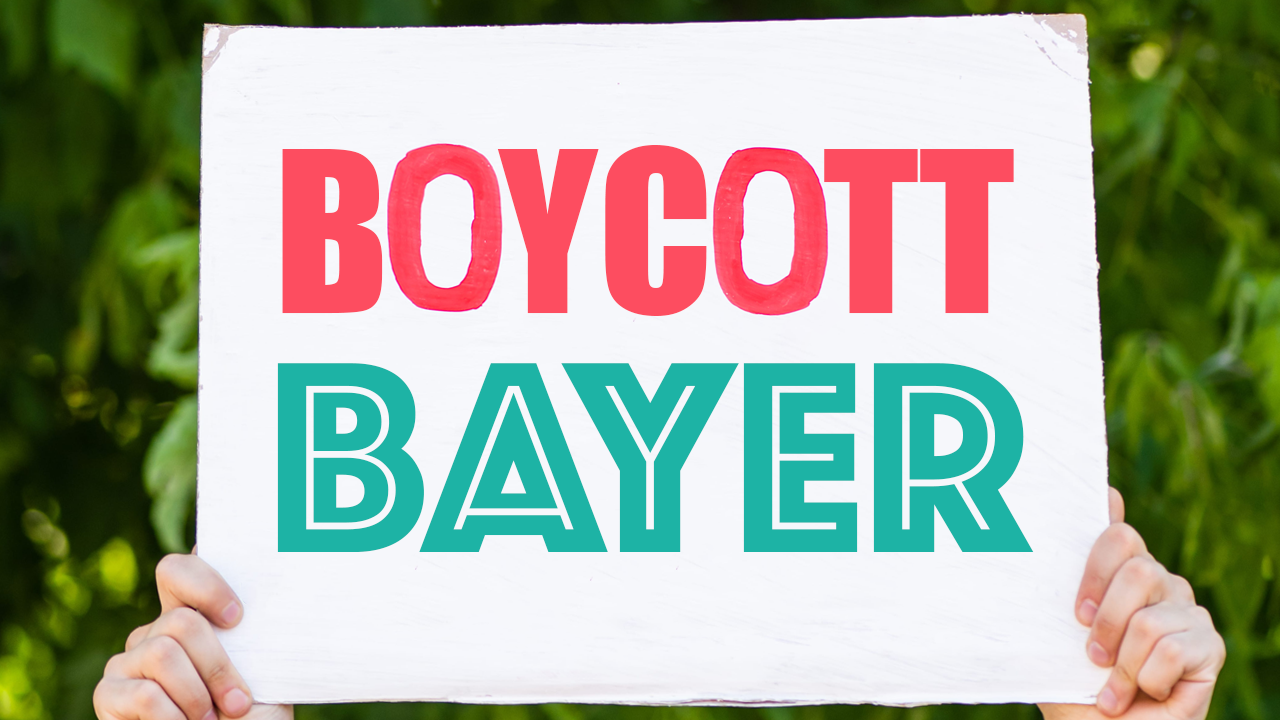
Monsanto, the creator of Roundup, was acquired by Bayer in 2018. Many bee advocates choose to boycott Bayer products and brands to withdraw support from companies producing pesticides linked to pollinator decline. Research brands before you buy.
- Avoid Bayer/Monsanto products when possible
- Choose bee-friendly brands
Speak Up
Talk to your neighbors, HOA, and local officials about bee-friendly policies. Attend town halls. Write letters. Your voice matters more than you think.
- Talk to your neighbors
- Attend town halls
- Write letters
- Encourage your workplace to go pesticide-free

Track & Report
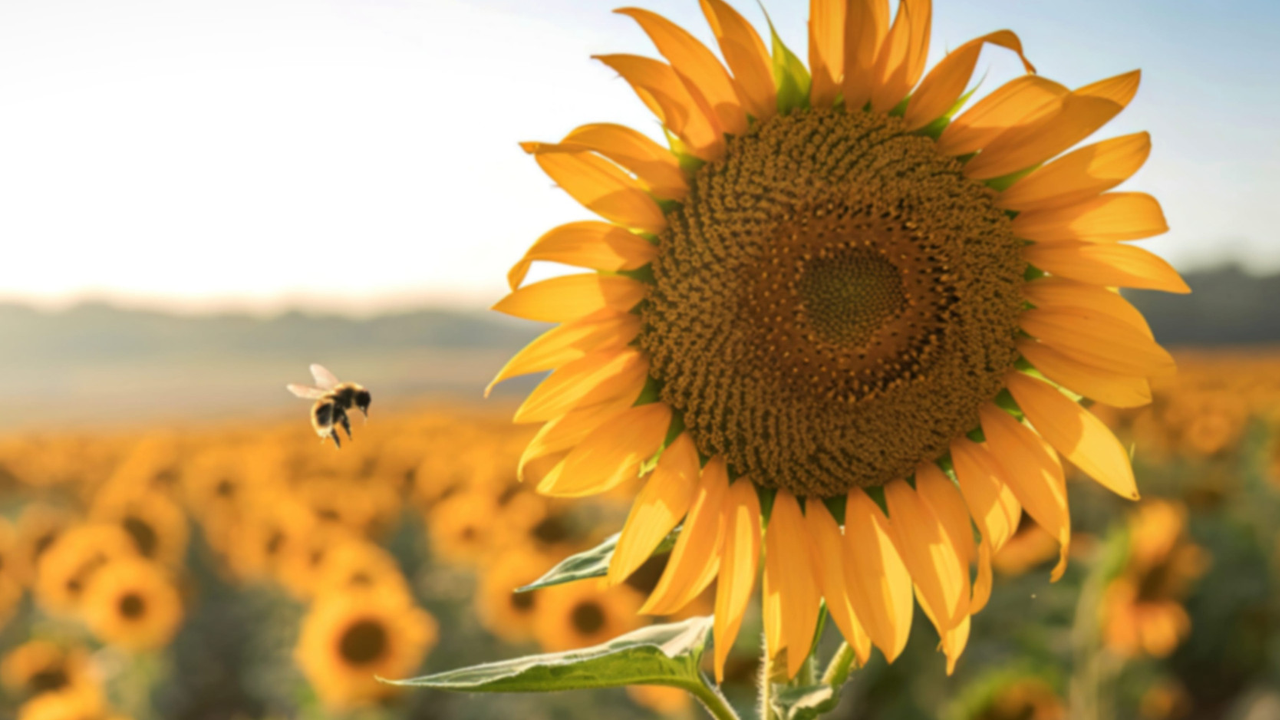
Participate in citizen science projects like the Great Sunflower Project or Bumble Bee Watch. Your observations help researchers understand bee populations and threats.
- Join Bumble Bee Watch
- Participate in the Great Sunflower Project
- Document bee sightings in your area
- Contribute to research databases
Be An Advocate for Bees
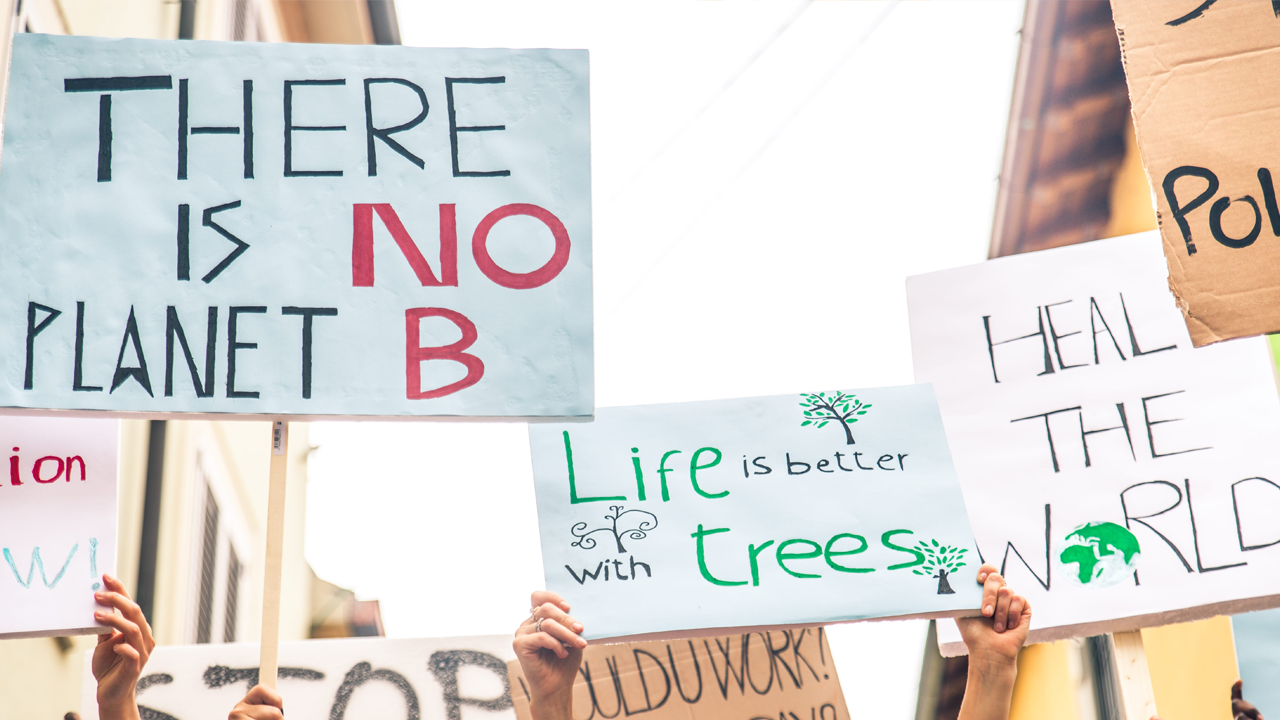
Advocate for policies that restrict harmful pesticides and protect pollinator habitat. Contact your representatives and vote for candidates who prioritize environmental protection.
- Sign petitions supporting pollinator protection
- Contact your local representatives
- Share your journey on social media
Learn More & Get Involved
Resources for Deeper Impact & Organizations to Support:




BEE THE CATALYST FOR CHANGE IN YOUR COMMUNITY
Get Our Free Doorhangers and Flyers
Help us hit the goal: 1,000 neighborhoods protected by July 1st. Download our free doorhangers and flyers, share them in your area, and watch your community become a beacon for bees. The clock is ticking, but with your help, we can make this happen.
00
DAY
00
HRS
00
MIN
00
SEC
Free Doorhangers
- Download: Click below to grab the file instantly.
- Print: Use your home printer, a local shop, or an online service like Canva, vistaprint, or GotPrint.
- Distribute: Hand them out door-to-door or drop them in community mailboxes.
Free Flyers
- Instant Access: Click below to get the file.
- Flexible Printing: Perfect for home printers or professional services (vistaprint, or GotPrint, etc.)
- Real Impact: Turn your street into a bee sanctuary.
"Bees… by virtue of a certain geometrical forethought, knew that the hexagon is greater than the square and the triangle and will hold more honey for the same expenditure of material."
― Pappus